Inside John Holland — DEV TEST
DEV TEST
Welcome to Inside John Holland
Welcome to our second edition of Inside John Holland and thank you for the positive feedback many of you sent through on our launch edition. It’s clear you’re keen to understand more about the breadth of John Holland’s projects and operations.
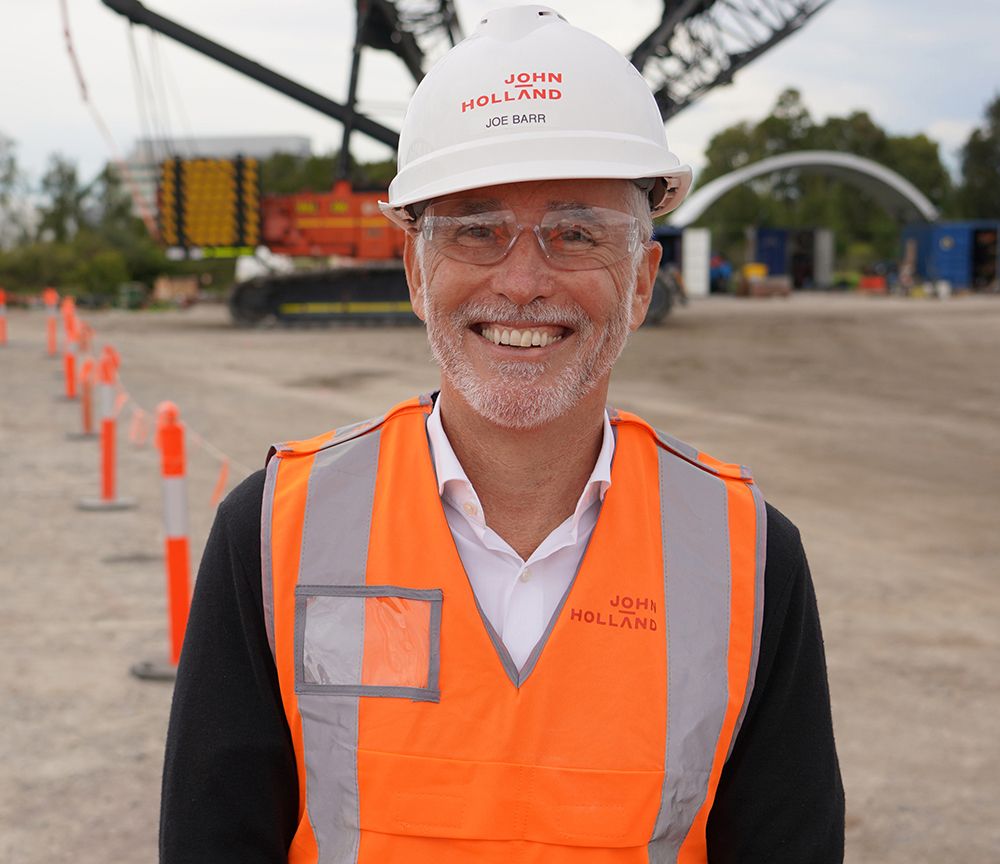
I’ve been visiting many of our projects in the last quarter, including West Gate Tunnel, Melbourne Metro, Sydney Gateway and Rozelle Interchange. Seeing these projects come to life, and understanding the positive impact they’ll have on communities, fills me with immense pride.
Take for example Rozelle Interchange. This is one of the most complicated underground motorway interchanges in the world, with more than 24 kilometres of tunnels, four cut-and-cover portal structures, 13 bridges, two ventilation facilities and three motorway operations complexes. The complexity of the project saw the team implement a number of innovations to effectively manage construction interfaces, logistics and program optimisation from day one.
While that’s impressive, our most transformative legacy will be the almost 10-hectare parkland that replaces the derelict railyards on which the project is built. Our John Holland CPB Contractors team successfully undergrounded the tunnel ventilation system, nearly doubling the green space we’ll be able to deliver to the community later this year.
Undergrounding the ventilation was a bold decision requiring more complex design and construction solutions, but this is what it’s all about when we say John Holland is transforming lives.
This week, John Holland honours NAIDOC week in celebration and recognition of the history, culture and achievements of Aboriginal and Torres Strait Islander peoples. Anyone visiting our Pyrmont offices on Gadigal lands will now be able to enjoy a special artwork we unveiled during NAIDOC week, created by Marcia McGuire. Marcia is a Whadjuk, Ballardong, Yued Noongar and Badimaya Yamatji Aboriginal woman, talented artist and part of our Rail team in Western Australia.
We’re building healthy communities
From mega hospitals to community health clinics, John Holland is delivering several innovative health infrastructure projects across the eastern states.
In the Sunshine State, we’ve recently received a major endorsement of our health infrastructure capabilities, partnering with the Queensland Government to build the new $1.3b Toowoomba Hospital – a key pillar of the Queensland Health and Hospitals Plan.
Delivering new hospital facilities on the existing Toowoomba Hospital site will create more than 3000 jobs and unlock numerous opportunities for local employment, training and indigenous and social procurement.
The announcement of this project comes just weeks after we were awarded the Logan Hospital (Stage Two) and Princess Alexandra Hospital expansions.
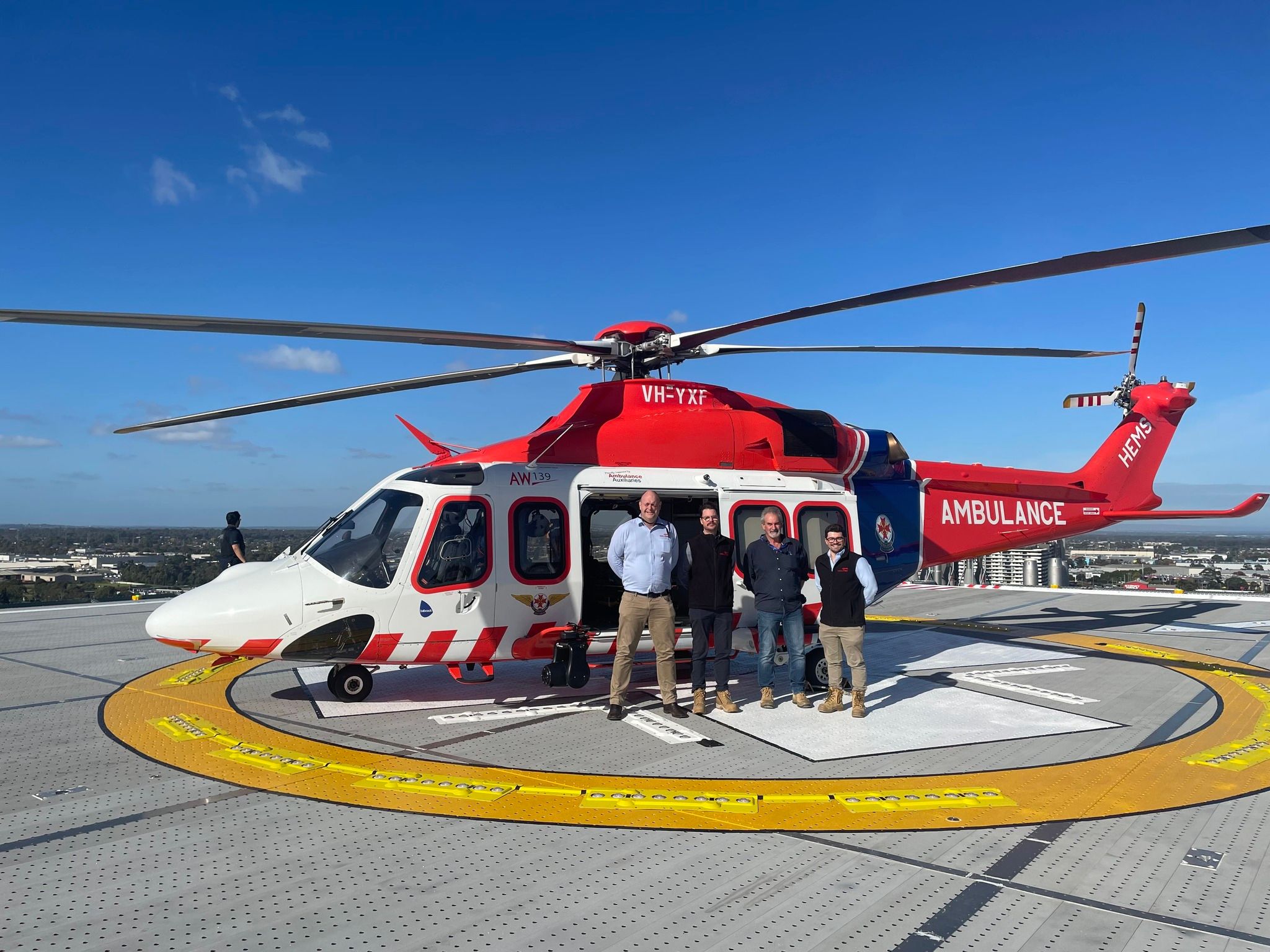
Victorian Heart Hospital team members on the recently completed Helipad.
With John Holland currently delivering the $460m Logan Hospital (Stage One) redevelopment, these latest announcements are a ringing endorsement of our capabilities to deliver critical works in a sensitive, operational hospital environment.
Meantime, in NSW work is well underway on the $438m Shoalhaven Hospital redevelopment. Our partnership with the Illawarra Shoalhaven Local Health District and Health Infrastructure is bringing to life the State Government’s vision for a modern clinical facility that responds to the emerging healthcare needs of the NSW south coast region.
Local procurement of suppliers and tradespeople is a key priority on this project. Our aim is to create a lasting community legacy - not just in healthcare, but employment.
Speaking of legacies, the health and wellbeing of our team building the Sydney Children’s Hospital and Minderoo Children’s Cancer Centre at Randwick is also a key driver in how we’re delivering the project. We’ve moved away from the industry norm of six and seven-day working weeks, instead introducing a five-day week to support improved workforce diversity, productivity and work/life balance.
In Victoria, our partnership with the Victorian Health Building Authority is delivering the $541m Stage Two Ballarat Base Hospital redevelopment.
Leveraging our experience and expertise on the recently completed Victorian Heart Hospital, this project will provide a new emergency department, women and children's hub, and an additional 100 inpatient beds for the community. We’ve also just been shortlisted on the Stage Three and carpark works packages, further cementing our presence and reputation in this region.
Introducing our EGM for Infrastructure
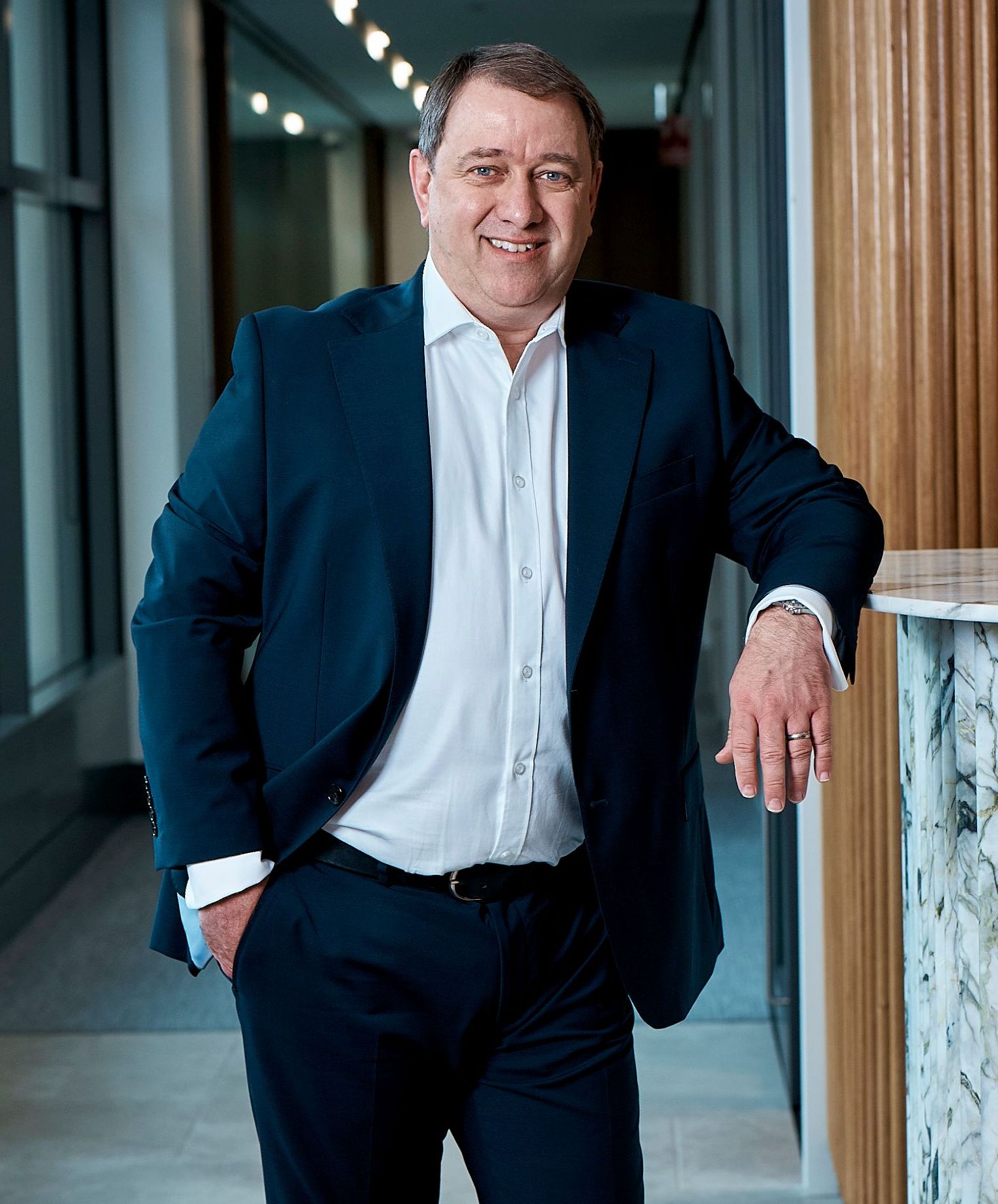
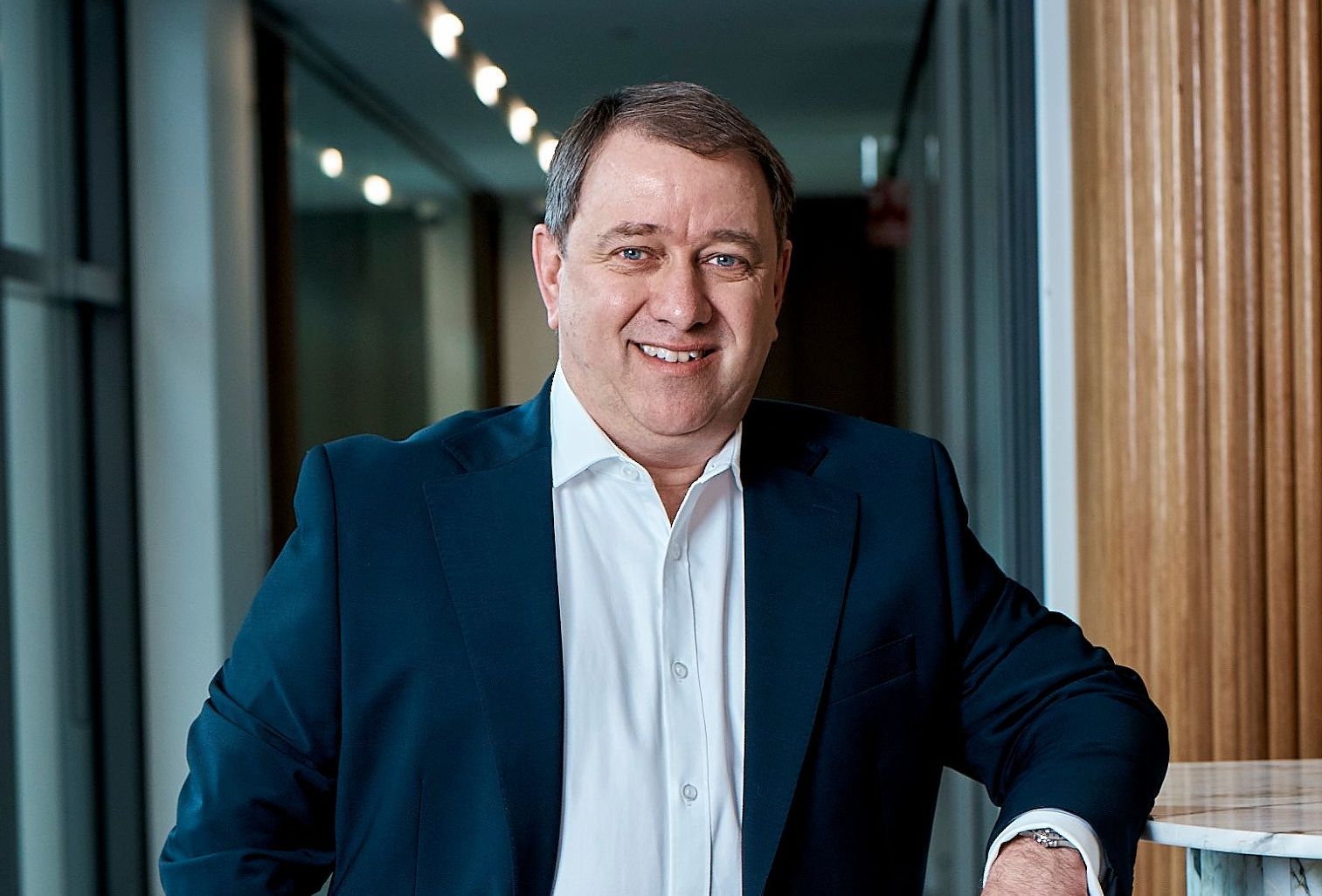
Rob Evans has worked on a wide variety of infrastructure projects over the course of his nearly 30-year career as an engineer. But it’s roads, water and complex infrastructure that now takes up his focus at John Holland.
Rob is Executive General Manager of Infrastructure, responsible for $1.7 billion per annum of engineering and construction work and a direct staff of around 1,700 people.
Infrastructure is one of four operational business units within John Holland, alongside Building, Major Projects and Rail & Transport.
Originally from the UK, Rob moved to Australia with his family 15 years ago. He worked for a number of leading Tier 1s before joining John Holland four and a half years ago.
Over the course of his career, Rob has held strategic and operational leadership, project delivery and commercial management roles across the rail, water, energy, oil and gas, highways, aviation and health sectors. His understanding of what it takes to deliver successful infrastructure projects is shaped by his commitment to collaboration – a by-product of having spent much of his career working in alliances.
One thing Rob is especially passionate about is developing and empowering people within a culture of inclusivity.
“The qualities and capabilities of our people are the key drivers of our success as a business, so it’s incumbent on me as a leader to create the best possible environment for them to thrive,” he says.
“This includes understanding how we can better measure, promote and celebrate diversity in all its forms - not just because it’s the right thing to do, but because it gives us access to a much deeper pool of skills and talents to improve the performance of our projects and businesses.”
Job done for the biggest TBMs in the southern hemisphere
Modern engineering marvels don’t get much bigger than the Melbourne’s West Gate Tunnel project.
In a major milestone for our team, tunnel boring is now complete on the two tunnels that will create a much-needed alternative to the congested West Gate Bridge.
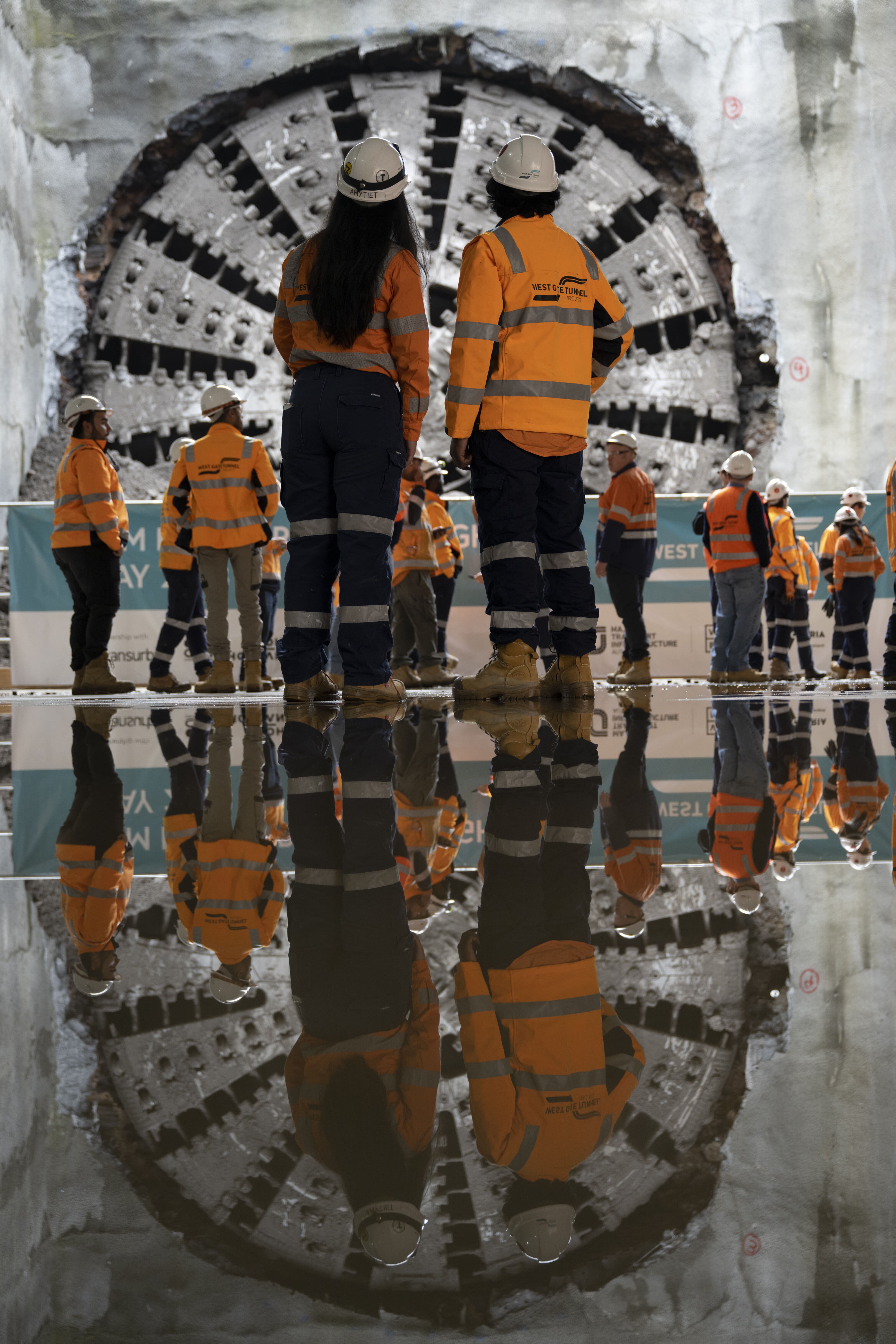
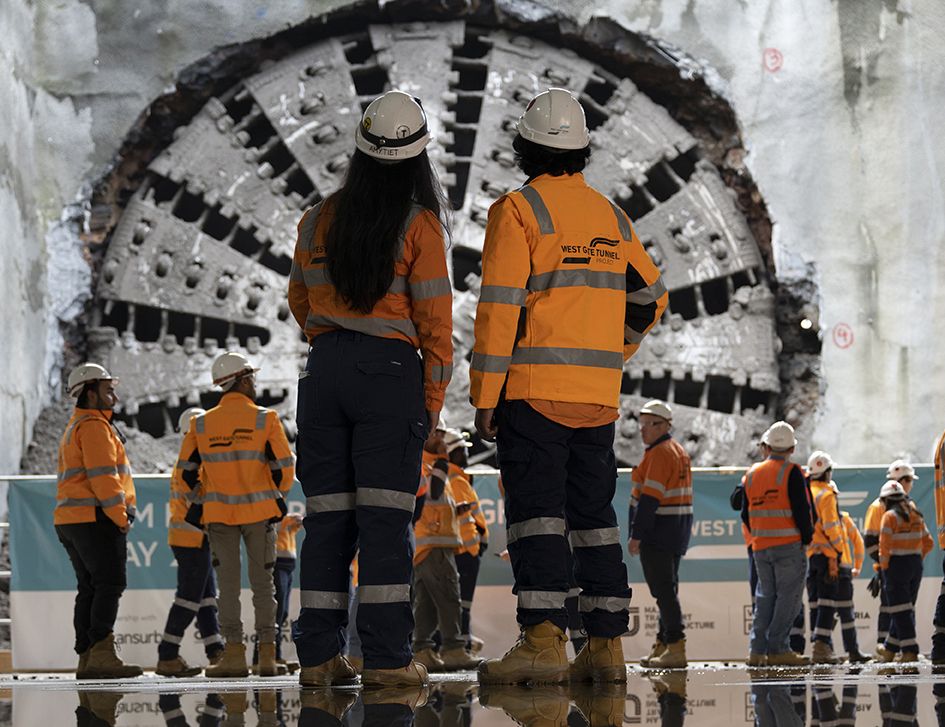
In May, Tunnel Boring Machine (TBM) Bella broke through in spectacular fashion at Altona North, completing a massive 4km journey from the west side of the Maribyrnong River under Yarraville to just west of the Newport Rail Line near the West Gate Freeway.
The incredible breakthrough moment was celebrated at a special ceremony attended by project representatives and the Deputy Premier and Minister for Transport Infrastructure, Jacinta Allan.
Over the past 15 months, Bella has operated 24/7, excavating over 700,000 cubic metres of rock and soil – enough to fill the MCG – while installing more than 15,000 individual concrete segments to create the tunnel walls, floor and roof.
Bella’s milestone came just over two months after TBM Vida completed her journey, marking the largest tunnel breakthrough to occur in the southern hemisphere.
What’s equally impressive is how these incredible machines got their names. TBM Bella is named after Bella Guerin, the first woman to graduate from a university in Australia in 1883. TBM Vida is named after Vida Goldstein, a ground-breaking campaigner for women’s rights, establishing the right for women to vote and stand for elections.
As the TBMs are dismantled and removed piece by piece, crews will continue the important work of building the road deck and installing electrical, lighting and safety systems to prepare both tunnels for completion in 2025.
Special thanks to the incredible John Holland tunnelling team for their role in moving this project into an exciting new chapter, including Andrew Shepherd, Nat Lewis, Gwyn Jones, Sean O’Reilly, Vince Muscat, Hilmar Hoeffer, King Hii, Marcus Chan, Matt Lawes and Ryan Martin, whose resilience throughout the journey has made these achievements possible.
Creating stronger connections in New Zealand
Our Rail & Transport team is committed to delivering projects that create better connections.
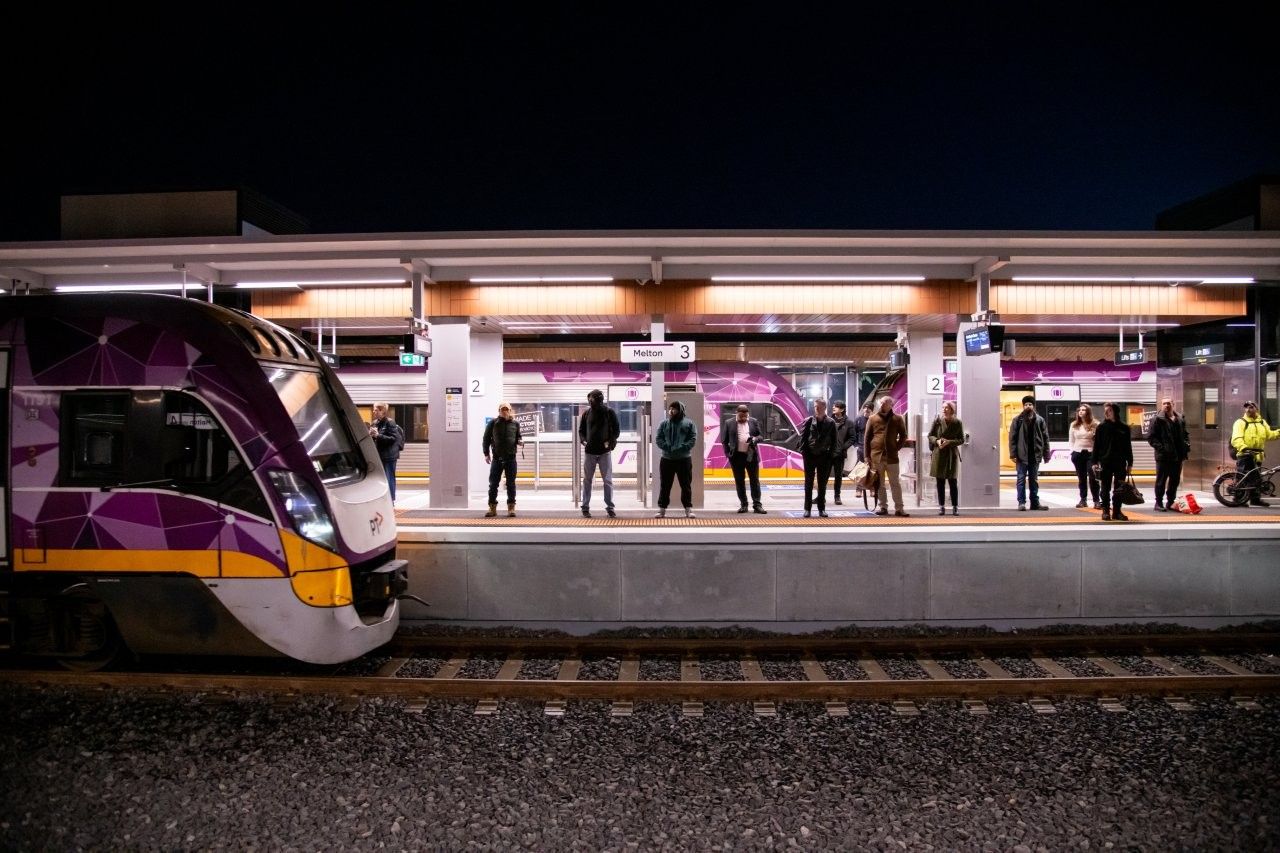
And that’s exactly what our New Zealand team is doing for KiwiRail as we deliver important upgrades to Auckland’s electric train network, aimed at transforming the passenger experience.
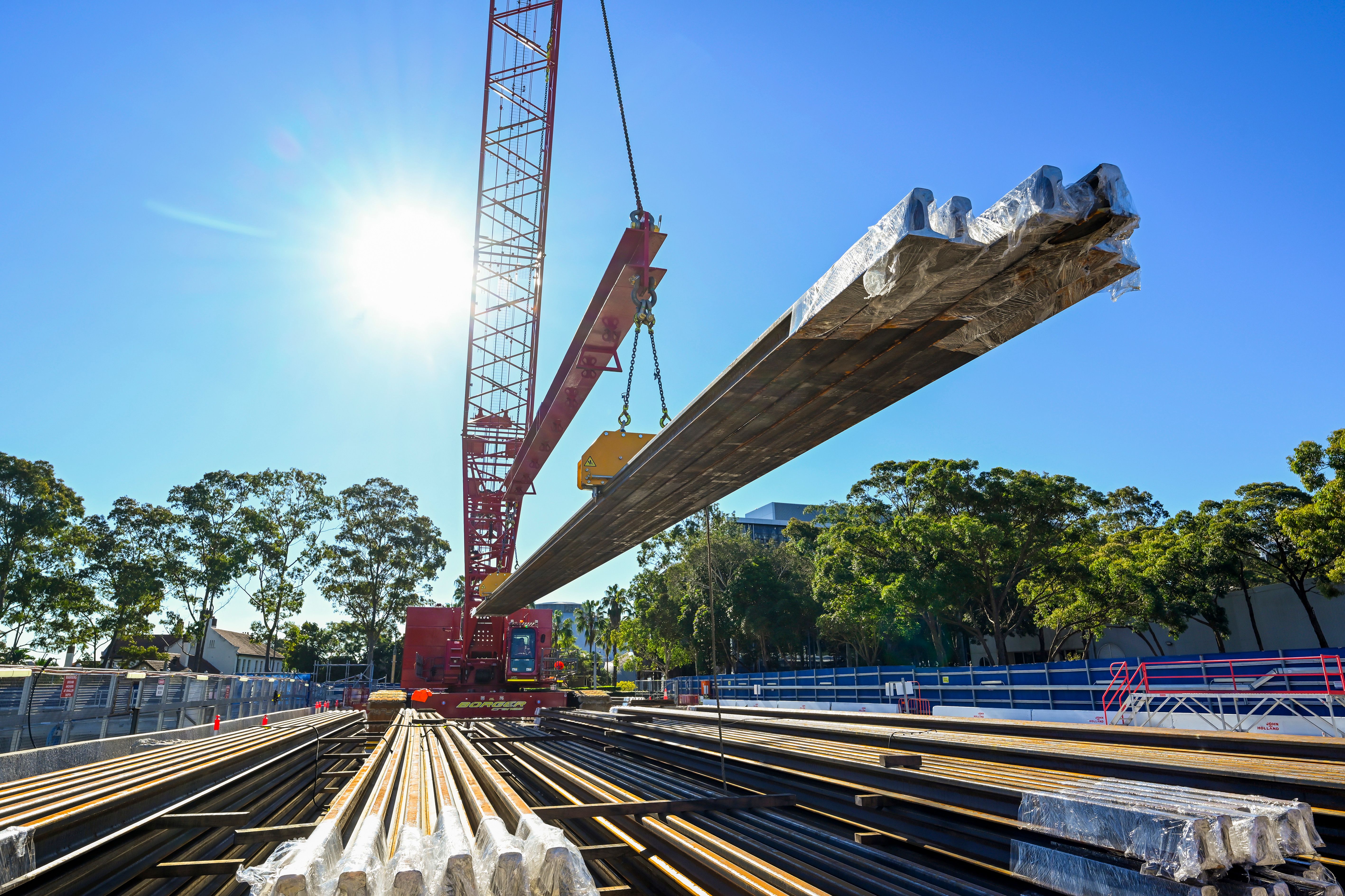
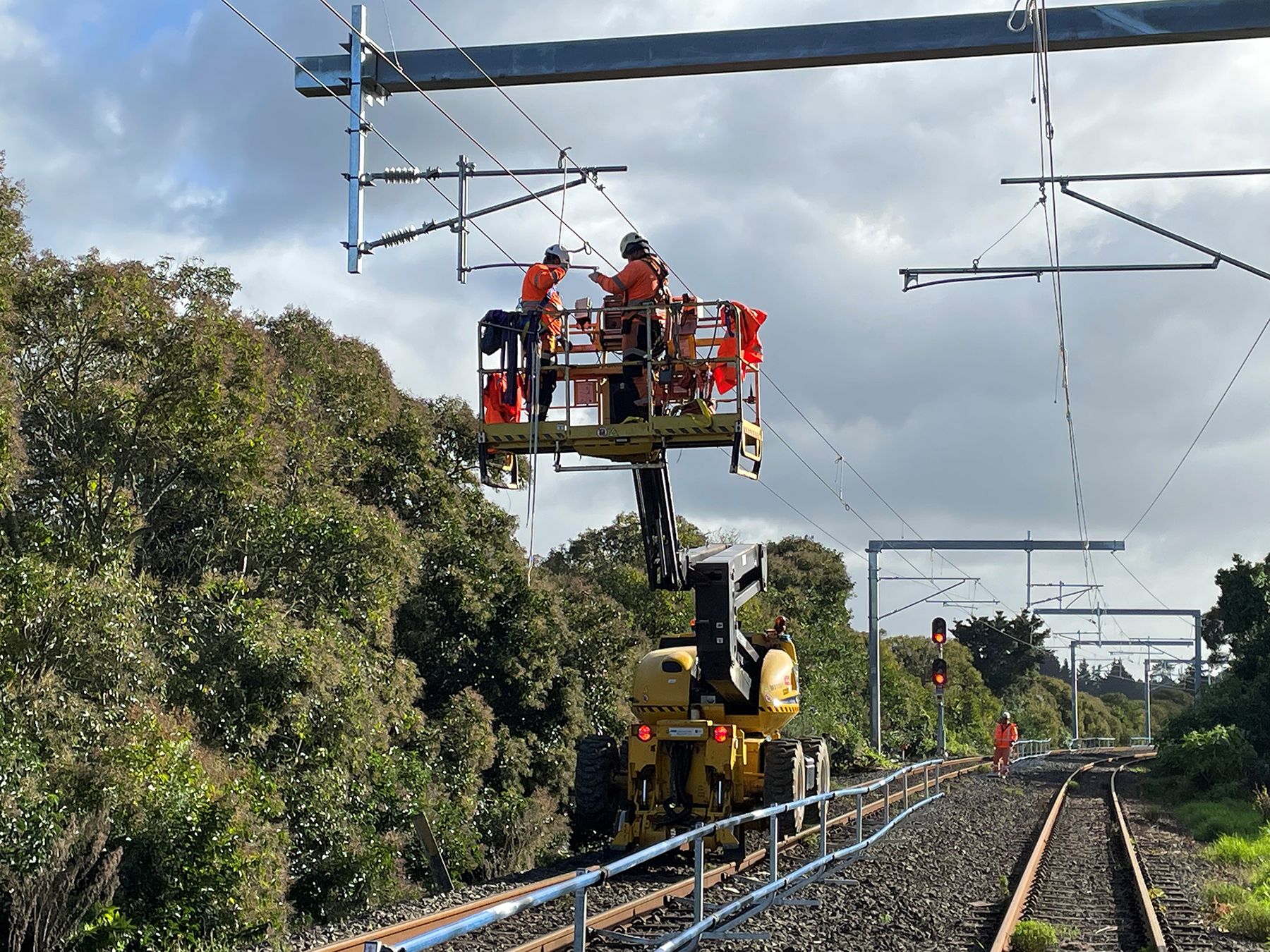
The Papakura to Pukekohe (P2P) project is a 20-kilometre extension of the electrified network and includes the upgrade of track, signalling, level crossings and a redeveloped Pukekohe Station.
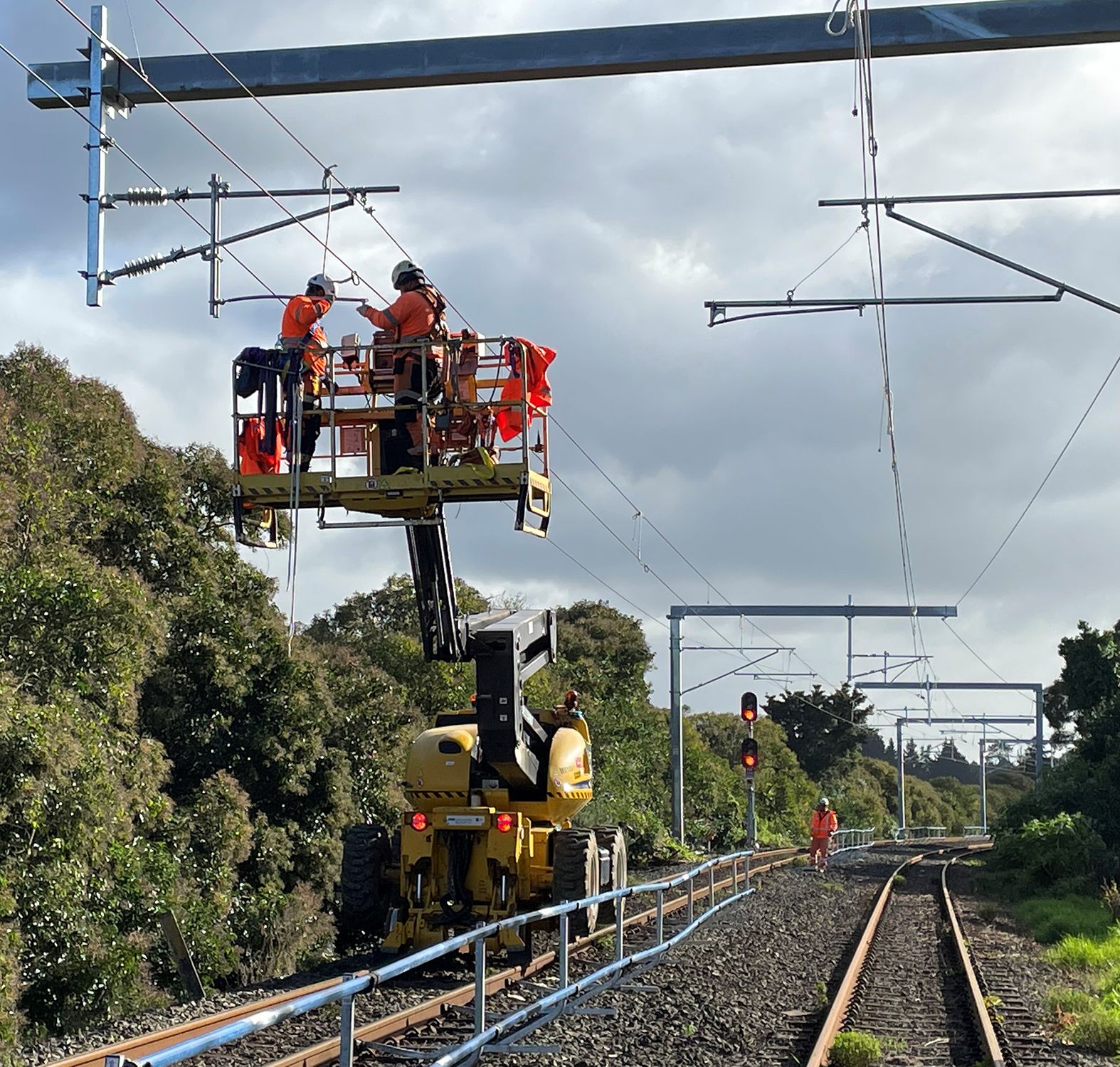
The works will significantly improve the commute for locals, meaning people travelling from Pukekohe will no longer need to switch trains at Papakura and can enjoy faster, quieter and cleaner journeys in modern electric trains.
The scope being delivered by our specialist overhead line electrification (OLE) team involves:
- 456 concrete and steel foundations
- 38,000 metres of earth wire
- 46,285 metres of contact and catenary
- 291 twin track cantilever bridges
- 42 portal bridges
Works are charging ahead, with hundreds of pieces of overhead electrical equipment already in place and overhead wire installation underway.
The team’s dedication to delivering the best solution for KiwiRail has seen them work closely with the client and subcontractors, resulting in both sustainability and productivity outcomes.
One such example is the use of steel driven piles, which not only improves productivity by reducing the number of tasks required to complete each pile but also requires less concrete – in turn reducing carbon emissions.
“The quality risk is also minimised when not working with concrete,” says P2P Project Manager, Clem Gherardi.
The team is also investing in the future of the New Zealand rail industry, engaging with local schools to share the opportunities for a career in rail. Last month, they took part in a Careers Expo in South Auckland, speaking to students about what a career in rail can offer.
One hundredth CareerSeeker recruit joins the John Holland family
In a significant shared milestone, we’ve recently renewed our partnership with refugee and asylum seeker social enterprise CareerSeekers for another three years, at the same time as welcoming our 100th intern into the business!
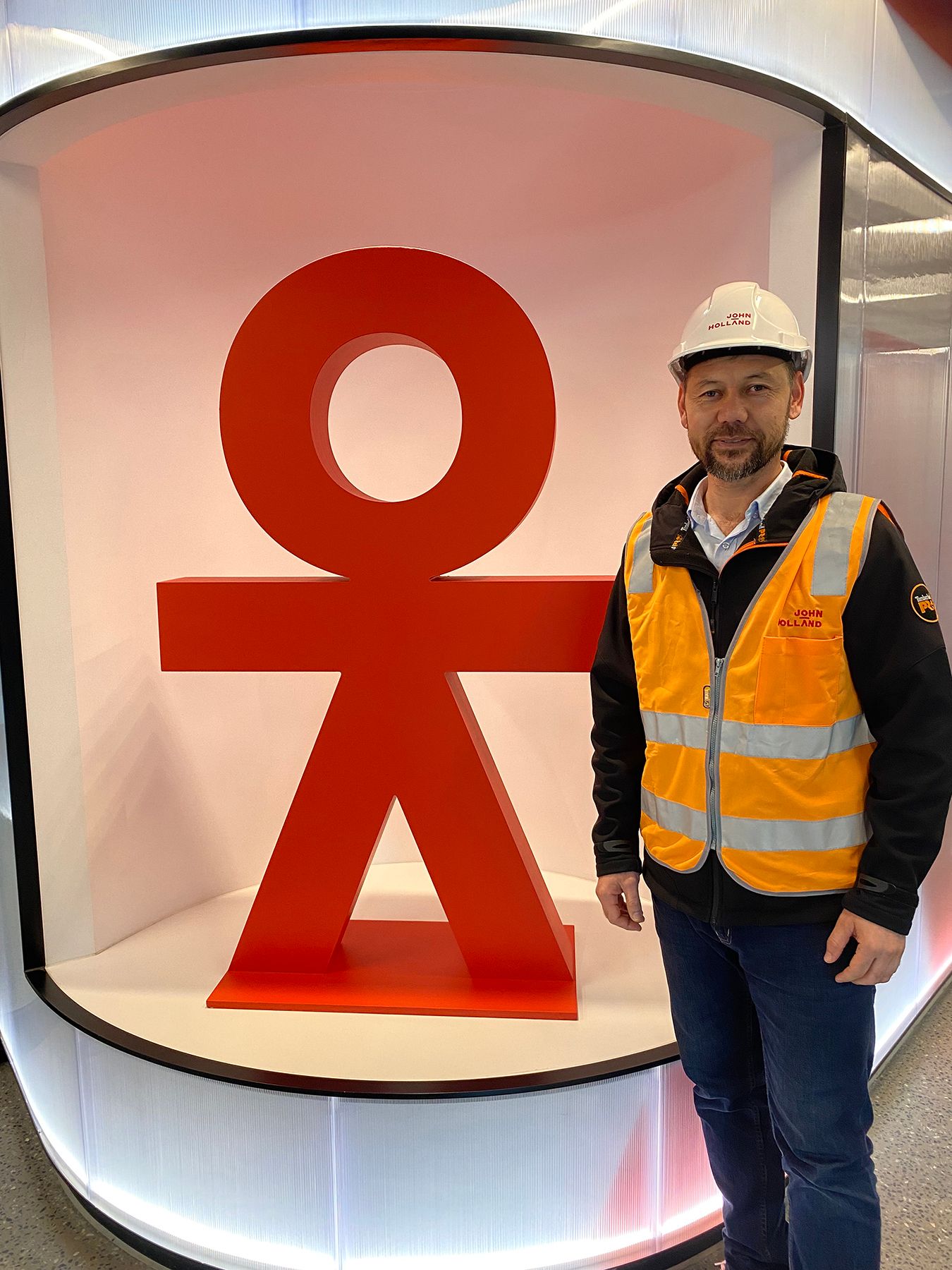
Abdul Gulistani was a qualified engineer in his home country of Afghanistan. But when he moved to Australia with his young family, he had to turn his hand to house painting after finding it difficult to secure a role that recognised his professional qualifications.
CareerSeekers gave Adbul the leg-up he needed, securing him a 12-week internship with John Holland. It proved to be the turning point for his professional career as a new Australian, evolving into a full-time position in our Commercial team on the West Gate Tunnel project – and our 100th recruit from CareerSeekers.
During his time at John Holland, Abdul has built his knowledge of the local industry and workplace culture, improving his English skills with the help of YouTube tutorials and helping his children integrate into a new school and community.
We know from Abdul and the 99 other recruits we’ve welcomed over the past three years just how life changing this opportunity can be. Securing a home, community and full-time work in your chosen profession completes the circle of a new life in a new country.
We’re proud to partner with CareerSeekers in their goal to provide dignity, security and opportunity for people with the expertise and skills we need, and the hearts and minds we want.